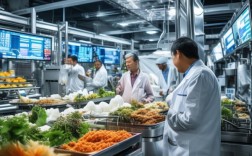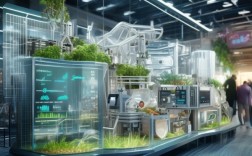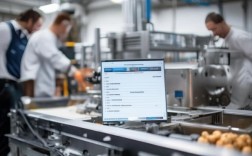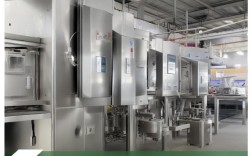
食品机械设备的三维模型通过先进的数字技术,为精准生产与高效管理提供了有力支持,该模型能够实现三维建模,准确捕捉设备工作状态,从而优化生产流程并提升管理效率,通过三维可视化,生产团队可以更直观地监控设备运行状态,及时发现并解决潜在问题,从而提高整体生产效率和设备可靠性。
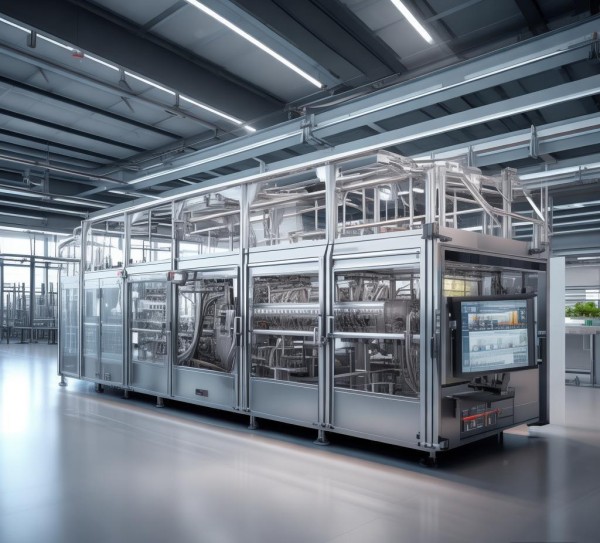
在 modern manufacturing, food processing machinery's 3D model technology has become an important production tool, playing a critical role in both precise control and efficiency enhancement. By leveraging 3D modeling, we can transform complex device structures into visual representations, thereby gaining a clearer understanding of the device's operation and productivity. This technology not only improves production efficiency but also reduces waste, ensuring a more streamlined manufacturing process. 3D modeling enables us to optimize production processes by enabling the collection of precise measurements and data. By scanning the surface of the device and converting it into a 3D model, we can meticulously control the various components of the machinery, thereby minimizing unnecessary operations and enhancing overall productivity. This approach also allows us to optimize the operation cycle of the equipment, extend its lifespan, and increase its cost-effectiveness. 3D modeling further facilitates the optimization of equipment management by providing a visual understanding of the device's operational state. By analyzing the collected data through 3D modeling, we can quickly identify any issues or inefficiencies, enabling timely maintenance and extending the equipment's service life. Additionally, this technology supports environmental sustainability by offering insights into the equipment's operation, thereby promoting energy efficiency and reduced carbon emissions, in line with sustainable development goals. 3D modeling plays a pivotal role in ensuring food processing efficiency by enhancing both precision and productivity. By enabling the precise control of device parameters, such as rotation angles and operational speeds, we can ensure that each step in the production process is executed with utmost accuracy. This leads to consistent product quality, reduced errors, and a lower cost of production. Furthermore, 3D modeling contributes to cost savings by streamlining operations and reducing waste. In summary, the application of 3D modeling technology in food processing machinery not only enhances production efficiency and productivity but also contributes to cost reduction and environmental sustainability. This technology serves as a powerful tool to support food safety and quality assurance, ensuring a higher level of food safety and higher production yields.